

Just a few years before the infamous summer of free love in ‘67, America had already found itself experimenting in a steamy ménage à trois, one which would lead to decades of cultural mingling and the search for true self-expression. The sultry love triangle began with our import of English subcultures intertwined with the Japanese import of American fashion, which would further develop into a deeply engrained feedback over the next half a century. It still pervades today except there is no longer a sole reliance on gestures of the free market’s invisible hand. Now more than ever, young people hold a desire to directly participate in the cultural mingling we have been exposed to for so long. But before we get swept up in where our cultural currents are taking us, let’s go back to where they were conceived – minding the Freudian slip.
Our First Love: England
The all-familiar British Invasion: a phenomenon aptly named as we wonder how swathes of young women turned feral for the British caricatures that were the early-career Beatles. The lads from Liverpool didn’t just invent the sound that electrified our youth, by the way, they were directly plugged in to Rock ‘n Roll by happenstance. Regardless, the movement was passionate: Beatlemania dictated the charts, James Bond firmly planted himself in the imaginations of American audiences, and swinging London mod fashion boldly challenged classic American ivy. Over time, this love-affair fizzled from infatuation to status quo. If we follow some of the music undercurrents for the next 20 years, you’d be shocked to learn how many of those classic New-Wave mega hits that define the sound of the 80’s were released by English bands. Even as recently as the 2020’s, Brit-hop (inspired by Chicago drill) had a moment—that is until Americans realized that British police officers don’t carry firearms. The English influence is ubiquitous – we just don’t even think about it anymore. While this cultural feedback loop isn’t likely to totally dampen out, it may be taking a backseat to another resonance, one that has been building up -slow and steady, year by year – into an undeniable presence in our collective consciousness.
Our Next Love: Japan
Admittedly, it was going to take some time for the United States – a country notorious for holding grudges – to warm up to the cultural influences from a country that attacked them ~20 years prior. And while the freshly installed Japanese capitalism certainly greased the wheels with dazzling automobile and tech industries, the US wasn’t going to let Japanese culture pass through customs without first traversing a thick filter of Orientalism. Nevertheless, Japan’s influence was building into a much stronger (and appropriate) cultural appreciation within the States. Baby Boomer veterans returned from the war with the first “American traditional” tattoos. Artists who pioneered the style like Sailor Jerry and Don Ed Hardy were heavily inspired by traditional horimono artists from Japan. While Generation X was growing up listening to Help! on vinyl, newer generations were raised watching Cowboy Bebop or Naruto on Toonami, network television-programmed anime.
By the way, the kids who Naruto-ran in gym class weren’t the only ones watching anime; Michael B. Jordan channeled his inner weeb in his collaboration with Coach and in his direction of Creed 3. As for hip-hop, you could fill another blog post with examples of the mutual love between anime fandom and hip-hop artists: Nujabes driving Lo-fi hip-hop’s popularity with Samurai Champloo’s OST, abundant anime references in lyrics and music videos (Kanye’s “Stronger” music video is a full-on homage to Akira), and who could forget Megan Thee Stallion’s longstanding infatuation with Sasuke Uchiha. I should be fair, I did not have gym class with any of these artists either.
The aforementioned tech industry of Japan contributed just as heavy of a hand in shaping our musical tastes as the British Invasion did, for the record. The Yamaha, Roland, and Korg synthesizers used by all those New-Wave bands are still defining the sounds of modern Indie artists like Grimes, Mac Demarco, and Tame Impala. Dorm-room hipsters aren’t the only ones on the hook either: Hip-hop, House, and Techno were pioneered off of the commercial-failure-turned-classic Roland TR-808 and -909 drum machines. Even purely Japanese music like City Pop (an iteration of American Disco) has recently become trendy in our search for capital-A Aesthetic. And what of fashion? Look no further than the podcast Articles of Interest: American Ivy to explore the deep, rich relationship America and Japan have when it comes to how we dress. England, Japan, and America share some the most popular streetwear brands on earth with one another (Stone Island, Undercover, and Supreme, just to name a few).
When In Romanji
Some of these influences are intentional and sought-out, but much of them occur out of happenstance. Who was to know that a Japanese guy visiting 1960’s Princeton would lead to UNIQLO dressing a generation of Americans, or that the TR808 being on sale would lead to the development of the world’s most popular genre of music. What we do know is that the desire to participate in the decades-long intermingling has become much more conscious in recent years. We are so painfully desperate to join this conversation that the second-most popular language textbook on Amazon is course on learning Japanese, Genki.
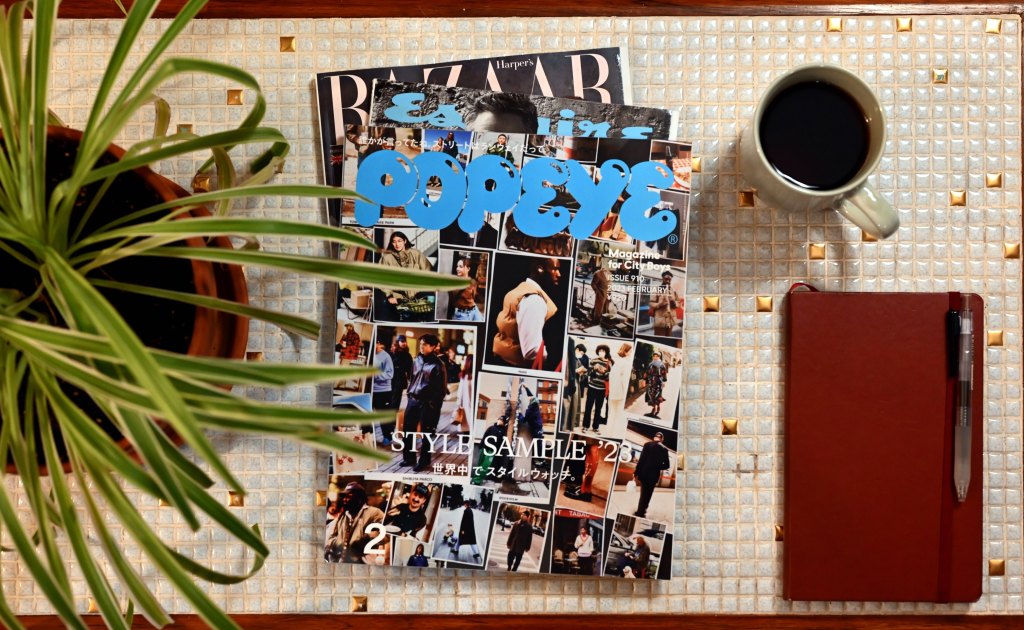
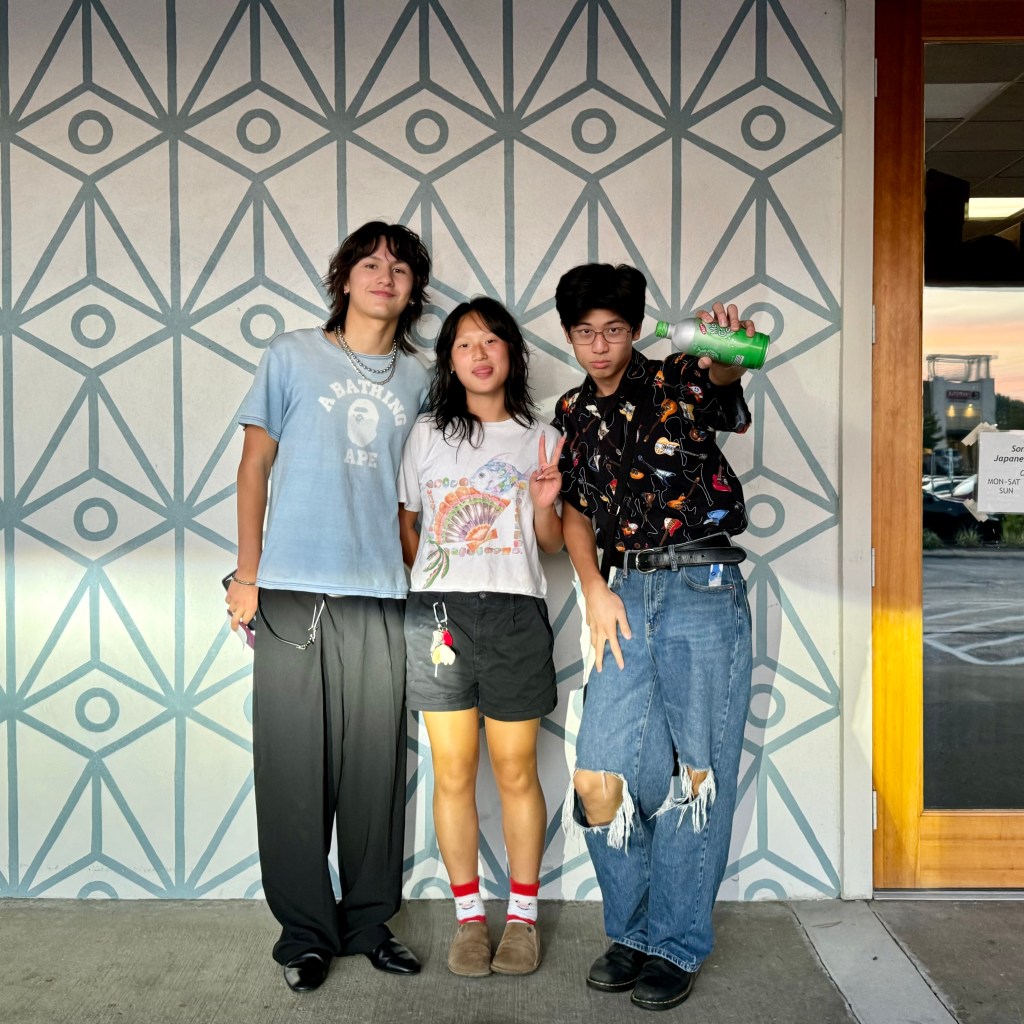
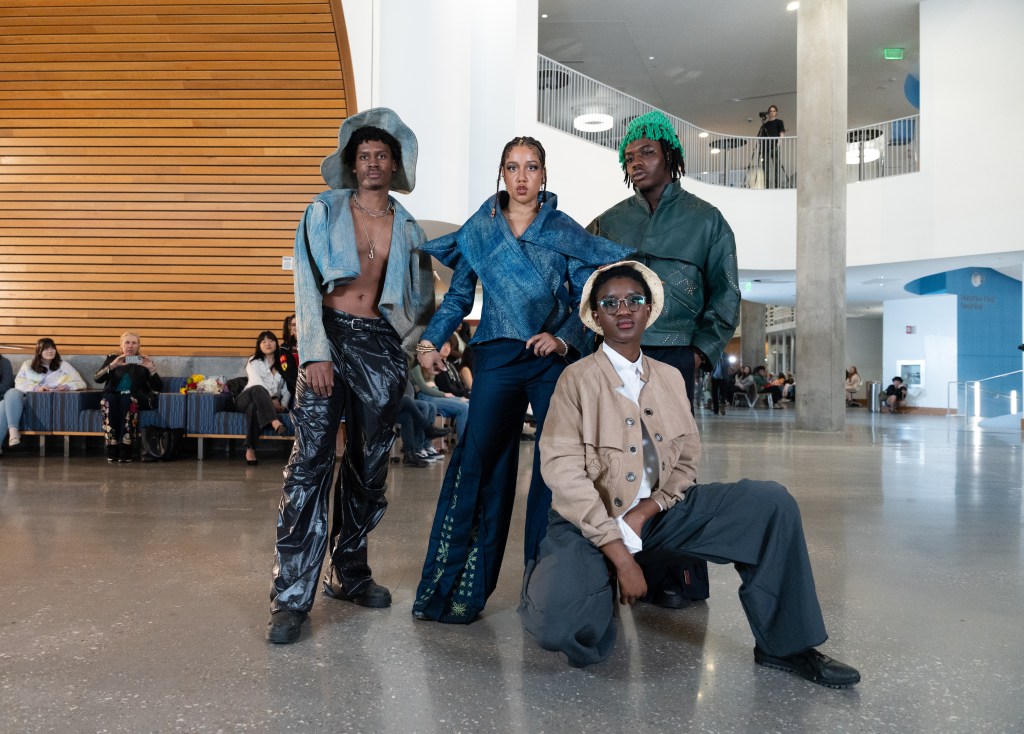
But even if you were to learn Japanese, you may be disappointed to find that most of their lifestyle, culture, and fashion discussions are packaged in magazines rather than forums. Some such examples being POPEYE and FRUiTS, which adopt the neighborly showcases of lifestyle and culture found in organic street fashion photography. Once you graduate out of that Genki Textbook, you’re going to need a magazine subscription, because these magazines are miles (or kilometers) better than their monolithic American counterparts. And what are these American analogs, anyway? You have two choices: 1. Social media, reddit, and other online forums – the atomized domain of the influencer or 2. Magazines with 100 pages of luxury-brand advertisements, celebrities, and iconoclastic showcases – the unattainable. I believe there exists among American youth a desire – if not demand – for a third option. A place where genuine human connection and appreciation are prioritized over insatiable trend consumption. Here, I want to host the discussion we are dying to have, dragging these subconscious cultural phenomena that have shaped our interests and identities for decades into the limelight where they belong. All of this, showcased through everyday people. Through looking at the fashion, fits, and flops around us, we can develop a new way of looking at our world and our lives. Off kilter but dead-on. Untethered from the dead dreams of the influencer and social media isolation.
Take Kudzu
There’s this joke about prestigious universities located in the American south where you are much more likely to find Japanese Kudzu vine than English Ivy: some will cheekily (maybe condescendingly) label these institutions as “Kudzu League”, acknowledging some inherent worth while focusing on their otherness to their New-England counterparts. That resonates with me: comfortably living within the other-ness that rejects pretension and focuses on falling in love with an inherent worth; falling in love with the world’s melting pot instead of letting it subconsciously wash over us. I want to embrace this otherness even if it means enrolling in someone else’s backup school of thought. If our nouveau – nihilism and ironic detachment has lost its luster, then I welcome you to join me in the cohort of the KUDZU LEAGUE.

 Kudzu League